
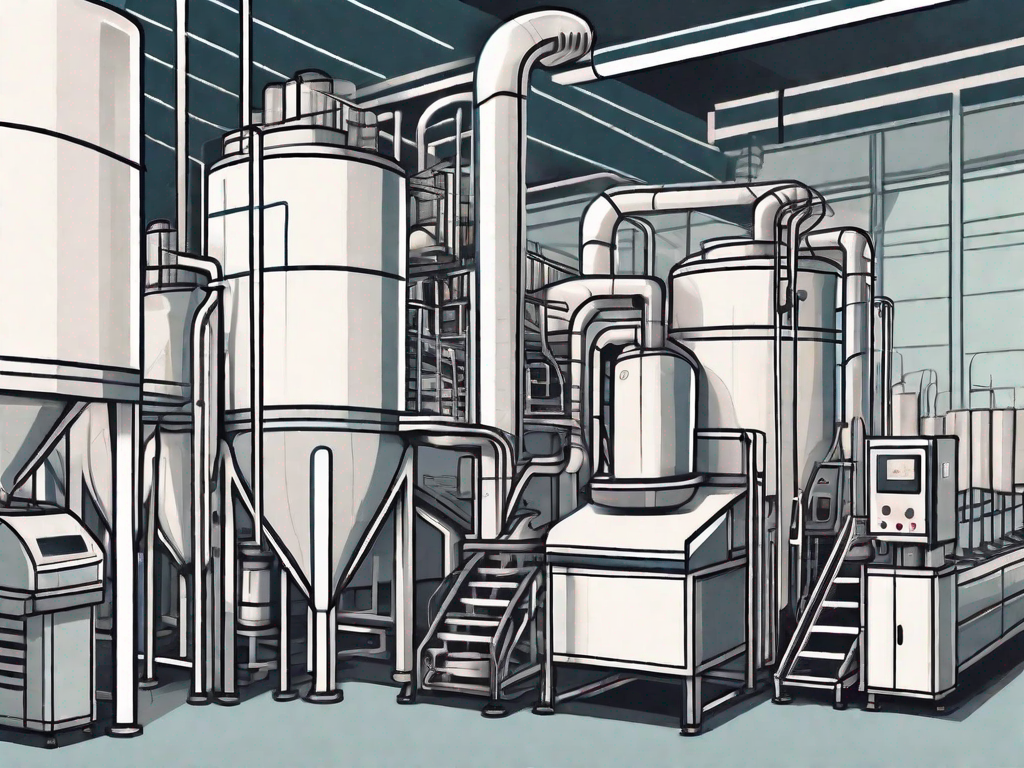
In today's fast-paced business landscape, maximizing efficiency is crucial for staying competitive. In the food processing industry, where time is of the essence and margins can be tight, finding ways to streamline operations and reduce costs is essential. One solution that has gained increasing popularity in recent years is business process automation (BPA). By automating repetitive and time-consuming tasks, food processing companies can improve productivity, enhance quality, and ultimately increase their bottom line.
Before delving into the benefits of automation in food processing, it is important to have a clear understanding of what business process automation entails. Simply put, BPA is the use of technology to automate and streamline business processes. By replacing manual tasks with automated systems, companies can eliminate human error, reduce costs, and free up employees' time to focus on more value-added activities.
Business process automation involves the identification, analysis, and automation of sequential processes. This can include anything from inventory management and supply chain operations to order processing and customer service. By automating these processes, companies can achieve greater efficiency and accuracy in their operations.
But what exactly does automation look like in the context of food processing? Let's explore further.
The food processing industry is a complex and fast-paced sector that requires precision and speed. Automation plays a critical role in improving business processes in this industry, enabling companies to meet the demands of consumers while maintaining high-quality standards.
One area where automation has made a significant impact is in repetitive tasks such as sorting, packaging, and labeling. In the past, these tasks were often performed manually, which not only consumed a considerable amount of time but also increased the risk of errors. With the advent of automated systems, food processing companies can now streamline these processes, reducing the time and effort required.
Automated sorting systems, for example, use advanced technologies such as machine vision to identify and separate different types of food products based on their size, shape, and color. This not only speeds up the sorting process but also ensures accuracy, minimizing the risk of mislabeled or contaminated products.
Similarly, automated packaging systems have revolutionized the food processing industry. These systems can efficiently package products in various formats, such as bags, boxes, or trays, with precise measurements and sealing. By automating this task, companies can achieve consistent packaging quality, reduce material waste, and improve overall productivity.
Furthermore, automation has also extended to other critical areas of food processing, such as cooking, mixing, and blending. Automated cooking systems can precisely control temperature, time, and pressure, ensuring consistent and safe food preparation. Automated mixing and blending systems, on the other hand, can accurately combine ingredients in the right proportions, eliminating human error and ensuring product consistency.
Overall, automation in food processing not only increases efficiency and accuracy but also enables companies to process larger volumes of food in a shorter amount of time. This is particularly crucial in meeting the growing demands of consumers and maintaining a competitive edge in the market.
In conclusion, business process automation, especially in the context of food processing, offers numerous benefits. By leveraging technology to automate repetitive tasks, companies can achieve greater efficiency, reduce costs, and ensure product quality. As the food processing industry continues to evolve, automation will undoubtedly play an increasingly vital role in shaping its future.
In the food processing industry, where perishable goods need to be processed and delivered quickly, efficiency is paramount. However, achieving efficiency in food processing is not without challenges.
Efficiency is not just about speed; it encompasses various factors that contribute to the smooth and effective operation of food processing facilities. From the initial stages of cleaning and cooking to the final steps of packaging and distribution, every process requires careful attention to detail and adherence to strict safety and quality standards.
Food processing involves numerous complex processes, each with its own set of challenges. Cleaning, for instance, requires thorough sanitation to eliminate any potential contaminants. This process can be time-consuming and labor-intensive, especially in large-scale facilities where a high volume of products needs to be processed.
Cooking, another critical step in food processing, demands precision and consistency to ensure that products are cooked thoroughly and meet the required temperature standards. Achieving this consistency can be challenging, especially when dealing with different types of food products that have varying cooking times and temperature requirements.
Packaging and distribution also present their own unique challenges. Packaging must be done efficiently to prevent spoilage and maintain product quality. Additionally, the industry often faces fluctuating demands and seasonal variations, which can complicate the planning and execution of packaging and distribution processes.
Moreover, the food processing industry is subject to stringent regulatory requirements. Companies must comply with food safety regulations, labeling standards, and other regulations to ensure that their products are safe for consumption. Adhering to these regulations can be time-consuming and require additional resources to maintain compliance.
Efficiency is crucial in the food industry for several reasons. Firstly, it ensures that products are delivered to customers on time. In a fast-paced industry where freshness is key, delays in processing and distribution can result in spoiled products and dissatisfied customers. By optimizing processes and minimizing bottlenecks, companies can ensure timely delivery and maintain customer satisfaction.
Secondly, efficiency helps maintain product quality. Proper handling, cooking, and packaging are essential to preserve the taste, texture, and nutritional value of food products. By streamlining processes and implementing quality control measures, companies can minimize the risk of product defects and ensure consistent quality across their product lines.
Lastly, efficiency in food processing helps minimize waste. The industry produces a significant amount of waste, including by-products, packaging materials, and unsold products. By optimizing processes and reducing inefficiencies, companies can minimize waste generation and contribute to sustainable practices. This not only benefits the environment but also improves the overall profitability of the business.
To address these challenges and maximize efficiency, many companies in the food processing industry are turning to automation. Automated systems can streamline processes, reduce human error, and increase productivity. From automated cleaning systems to robotic packaging solutions, automation offers a range of benefits that can help companies overcome the challenges and achieve higher levels of efficiency.
Implementing automation in food processing starts with a thorough evaluation of existing processes and identifying areas that can benefit from automation. Once the processes are identified, it is essential to choose the right automation tools for the job.
Not all processes in food processing are suitable for automation. It is important to start by assessing the potential benefits and feasibility of automating specific tasks. Processes that are repetitive, time-consuming, and prone to errors are often the best candidates for automation.
Once the processes for automation have been identified, selecting the right automation tools is crucial. There are various automation technologies available, each with its own capabilities and benefits. Whether it's robotic systems for packaging or software solutions for inventory management, choosing tools that align with the company's specific needs and goals is vital.
Embracing automation in food processing can unlock a myriad of benefits for companies in the industry.
By automating repetitive tasks, food processing companies can significantly increase productivity. Automated systems can work faster and consistently, reducing the time required to complete tasks and improving overall operational efficiency.
Automation helps eliminate human errors and inconsistencies in the food processing process. By relying on precise and standardized automation systems, companies can ensure that products are manufactured, packaged, and labeled consistently, leading to improved quality control and customer satisfaction.
The world of automation is constantly evolving, and the food processing industry is poised to benefit from future advancements in technology.
Artificial intelligence (AI) and machine learning algorithms have the potential to revolutionize the food processing industry. These technologies can analyze large amounts of data, identify patterns, and make data-driven decisions, enabling companies to optimize their operations, reduce waste, and improve forecasting accuracy.
The Internet of Things (IoT) is another technology that holds great promise for the food processing industry. By connecting various devices and sensors throughout the production process, companies can gather real-time data on temperature, humidity, and other critical parameters. This data can be used to automate processes, trigger alerts, and optimize resource allocation, leading to more efficient and sustainable operations.
In conclusion, maximizing efficiency through business process automation is an essential strategy for food processing companies looking to stay ahead in a competitive industry. By understanding the benefits of automation, addressing the challenges, and embracing future trends, companies can unlock greater productivity, improve quality control, and position themselves for success in a rapidly evolving market.


