
In today's fast-paced automotive industry, maximizing efficiency is crucial for businesses to stay competitive and meet customer demands. One powerful tool that can help achieve this is business process automation. By streamlining and automating various processes, automotive businesses can save time, reduce costs, and improve overall productivity. In this article, we will delve into the world of business process automation in the automotive sector and explore its key areas, benefits, and challenges.
Before we dive into the specifics, let's first define business process automation. In simple terms, it involves the use of technology to automate repetitive tasks and optimize workflows. For the automotive industry, it means automating various processes throughout the value chain, from production and inventory management to customer service and beyond.
Business process automation is not a one-size-fits-all solution. It is about analyzing existing processes and identifying opportunities for automation. This could involve automating manual data entry, replacing paper-based forms with digital ones, or integrating different software systems to enable seamless information flow.
Automation has revolutionized the way businesses operate in the automotive sector. It has become an indispensable tool for streamlining operations and improving efficiency. By automating mundane and repetitive tasks, employees can focus on more strategic and value-added activities, such as product development and customer relationship management.
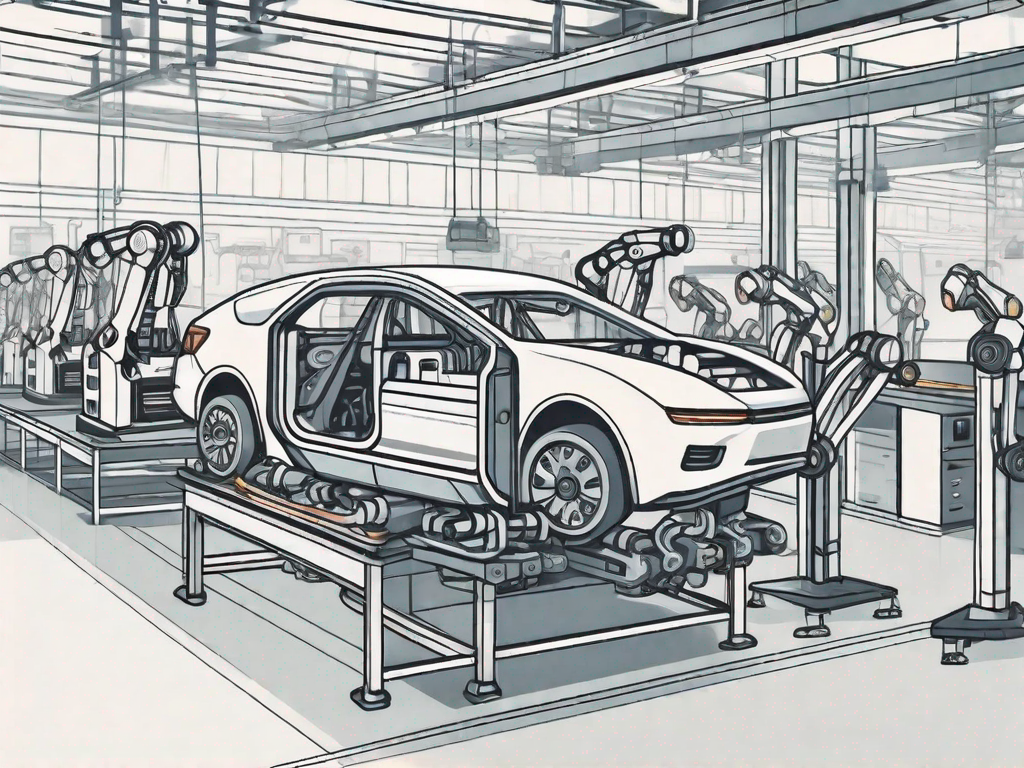
One area where automation has made a significant impact is in production. With the help of robotics and advanced machinery, automotive manufacturers can automate various stages of the production process, from assembly to quality control. This not only speeds up production but also ensures precision and consistency in the final product.
Inventory management is another critical aspect of the automotive industry that benefits from automation. By implementing automated systems, manufacturers can track inventory levels in real-time, optimize stock levels, and streamline the supply chain. This not only reduces costs but also minimizes the risk of stockouts or overstocking.
Customer service is yet another area where automation has transformed the automotive industry. With the help of chatbots and AI-powered customer support systems, automotive companies can provide round-the-clock assistance to customers, answer frequently asked questions, and even handle basic troubleshooting. This improves customer satisfaction and reduces the burden on human customer service representatives.
Furthermore, automation plays a crucial role in ensuring compliance and regulatory adherence in the automotive sector. By automating processes such as data collection, reporting, and auditing, companies can minimize the risk of non-compliance and avoid costly penalties. Automation also enables companies to maintain accurate records and easily retrieve information when required.
In conclusion, business process automation has become a game-changer in the automotive industry. It streamlines operations, improves efficiency, and allows businesses to focus on strategic initiatives. From production and inventory management to customer service and compliance, automation has revolutionized various aspects of the automotive value chain. Embracing automation is no longer an option but a necessity for automotive companies looking to stay competitive in today's fast-paced business landscape.
Now, let's explore some key areas where automation can bring significant benefits to automotive businesses.
Automation has the potential to revolutionize the automotive industry in various ways. By incorporating advanced technologies and intelligent systems, automotive businesses can streamline their operations, enhance productivity, and deliver exceptional customer experiences. Let's delve deeper into some key areas where automation can make a significant impact:
In the manufacturing process, automation can revolutionize the production line. From assembling components to quality control checks, automation can streamline operations, reduce downtime, and optimize output. Robots equipped with advanced sensors and precision tools can perform repetitive tasks with utmost accuracy and efficiency. This not only improves productivity but also ensures consistent quality throughout the manufacturing process. By automating production line processes, automotive businesses can free up human workers for more complex responsibilities that require creativity and problem-solving skills.
Furthermore, automation can enable real-time monitoring of the production line, allowing businesses to identify bottlenecks and optimize workflow. With the integration of machine learning algorithms, automated systems can analyze data and make predictive maintenance recommendations, minimizing the risk of unexpected breakdowns and optimizing overall equipment effectiveness.
Efficient inventory management is crucial for automotive businesses. Automation can help track inventory levels, monitor stock movement, and trigger reorder points automatically. By implementing an automated inventory management system, automotive businesses can ensure that the right parts and components are always available, minimizing production delays and optimizing cash flow.
Automated inventory management systems can utilize technologies such as RFID (Radio Frequency Identification) and barcode scanning to accurately track inventory in real-time. This enables businesses to have a comprehensive view of their stock levels, identify trends, and make data-driven decisions regarding procurement and supply chain management. Additionally, automation can streamline the process of receiving and storing inventory, reducing the chances of human error and improving overall efficiency.
Providing excellent customer service is paramount in the automotive industry. Automation can play a significant role in enhancing the customer experience. Automated systems can handle customer inquiries, provide real-time updates on orders and deliveries, and even assist with appointment scheduling.
By implementing chatbots and virtual assistants, automotive businesses can offer 24/7 customer support, ensuring that customers' queries and concerns are addressed promptly. These automated systems can provide personalized recommendations based on customer preferences, previous interactions, and historical data. Moreover, automation can enable businesses to proactively reach out to customers with relevant offers, maintenance reminders, and service updates, fostering long-term customer loyalty.
Furthermore, automation can streamline the appointment scheduling process, allowing customers to book service appointments online, choose preferred time slots, and receive automated reminders. This not only improves efficiency but also reduces the chances of missed appointments and enhances overall customer satisfaction.
As the automotive industry continues to evolve, automation will play a pivotal role in driving efficiency, productivity, and customer satisfaction. By embracing automation in key areas such as production line operations, inventory management, and customer service, automotive businesses can stay ahead of the competition and deliver exceptional value to their customers.
Implementing business process automation in the automotive industry brings numerous benefits. Let's explore some of the most compelling advantages.
By automating processes, automotive businesses can eliminate manual errors, speed up operations, and reduce cycle times. This leads to increased efficiency, lower costs, and improved resource utilization. The result is a more competitive business that can respond swiftly to market demands.
Automation ensures consistent and reliable quality control throughout the entire production process. By automating inspections and tests, automotive businesses can minimize human error and maintain high quality standards. This ultimately leads to improved product reliability and customer satisfaction.
Automation in customer service processes, such as automated order updates and prompt query handling, results in faster response times and improved customer satisfaction. By providing a seamless and efficient experience, automotive businesses can build stronger customer relationships and gain a competitive edge.
While the benefits of automation are clear, implementation is not without its challenges. Let's explore some common hurdles and how to overcome them.
One common challenge in adopting automation is the initial investment required. However, it's essential to consider the long-term benefits and return on investment. By conducting a thorough cost-benefit analysis and identifying areas where automation can bring significant savings, businesses can justify the initial expense.
Introducing automation means changing existing workflows and processes. This can sometimes lead to resistance from employees who fear job security or unfamiliarity with new technologies. To overcome this, businesses should involve employees early in the process, provide training and re-skilling opportunities, and emphasize the benefits of automation, including how it can free up time for more meaningful tasks.
With automation comes an increased reliance on digital systems and data. It is crucial for automotive businesses to prioritize data security and privacy. Implementing robust cybersecurity measures, encrypting sensitive information, and ensuring compliance with data protection regulations are necessary steps to build trust and safeguard customer and business data.
In conclusion, maximizing efficiency with business process automation is key for automotive businesses looking to thrive in today's competitive landscape. By leveraging automation in production, inventory management, and customer service, businesses can achieve increased operational efficiency, enhanced quality control, and improved customer satisfaction. While there may be challenges along the way, addressing initial cost concerns, managing change in the workplace, and prioritizing data security can pave the way for successful automation implementation. So, embrace the power of automation and unlock your automotive business's full potential.

