
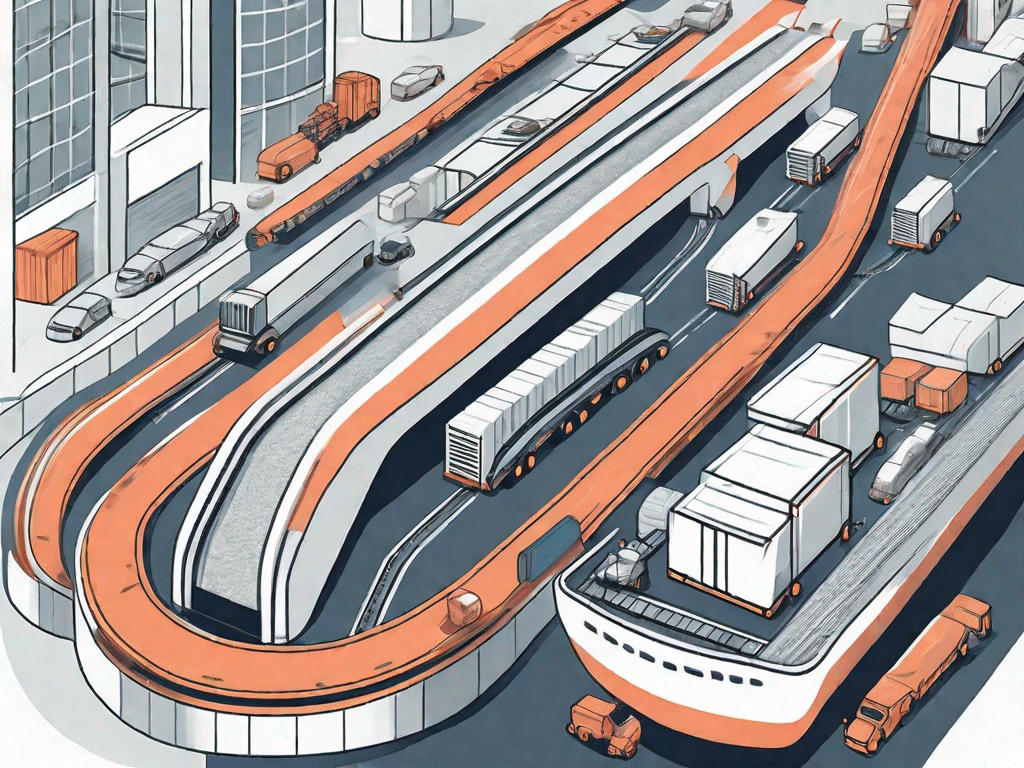
In today's fast-paced world, businesses in the transportation and logistics sector are constantly looking for ways to streamline their operations and maximize efficiency. One strategy that has proven to be highly effective is business process automation. By automating routine tasks and workflows, companies can save time, reduce errors, and improve overall productivity.
Before we delve into the specifics of how automation can benefit the transportation and logistics industry, let's first define what business process automation is. In simple terms, it involves using technology to automate repetitive tasks and streamline workflows, allowing employees to focus on more strategic and value-added activities.
Business process automation is the use of technology to automate repetitive tasks and streamline workflows in order to improve operational efficiency. It involves identifying and mapping out existing processes, then implementing software or tools to automate those processes.
In the transportation and logistics sector, where time is of the essence and margins can be tight, automating business processes can make a significant difference. By reducing manual intervention and streamlining operations, companies can improve delivery times, reduce costs, and enhance customer satisfaction.
One area where business process automation can have a profound impact in transportation and logistics is in inventory management. With the help of automated systems, companies can accurately track and manage their inventory levels in real-time. This not only ensures that they have the right amount of stock available at any given time but also helps in avoiding stockouts or overstock situations. By automating inventory management, companies can optimize their supply chain, reduce carrying costs, and improve overall operational efficiency.
Another aspect of transportation and logistics where automation plays a crucial role is in route optimization. By leveraging advanced algorithms and real-time data, companies can automate the process of determining the most efficient routes for their vehicles. This not only helps in reducing fuel consumption and carbon emissions but also enables companies to make more accurate delivery time estimates. Additionally, automated route optimization can help in avoiding traffic congestion and other unforeseen obstacles, ensuring timely and efficient deliveries.
Furthermore, business process automation can greatly enhance the tracking and visibility of shipments throughout the transportation and logistics process. By implementing automated tracking systems, companies can provide their customers with real-time updates on the status and location of their shipments. This level of transparency not only improves customer satisfaction but also enables companies to proactively address any potential issues or delays, ensuring a smooth and seamless delivery experience.
In addition to the operational benefits, business process automation in transportation and logistics can also have a positive impact on compliance and regulatory requirements. By automating documentation processes, such as generating and managing shipping labels, customs forms, and invoices, companies can ensure accuracy and compliance while reducing the risk of human error. This not only saves time but also helps in avoiding costly fines and penalties associated with non-compliance.
Overall, business process automation is a game-changer in the transportation and logistics industry. By leveraging technology to automate repetitive tasks and streamline workflows, companies can achieve higher operational efficiency, reduce costs, improve customer satisfaction, and stay ahead of the competition in this fast-paced and demanding sector.
Efficiency is crucial in the transportation and logistics industry. With increasing customer demands and rising competition, companies need to find ways to deliver goods and services faster and more cost-effectively. However, there are several challenges that can hinder efficiency in this sector.
The transportation and logistics industry faces unique challenges that can impact efficiency. These include unpredictable weather conditions, complex supply chains, and ever-changing regulations. Additionally, manual processes and paper-based systems can slow down operations and introduce errors.
Inefficient processes can have a significant impact on a company's bottom line. Delays in shipments, missed delivery windows, and inventory discrepancies can all lead to increased costs and reduced customer satisfaction. In a highly competitive industry, these inefficiencies can be detrimental to a company's success.
When it comes to business process automation in transportation and logistics, there are several key areas where automation can have a significant impact.
Effective inventory management is crucial for a smooth supply chain. By automating inventory tracking, companies can reduce manual errors and optimize stock levels. This ensures that products are always available when needed, minimizing delays and improving customer satisfaction.
Route planning is a critical aspect of transportation and logistics. By automating this process, companies can optimize routes, minimize empty miles, and reduce fuel consumption. This not only saves time and money but also helps to minimize their carbon footprint.
Automation can also improve customer service in transportation and logistics. By automating communication processes, such as order updates and delivery notifications, companies can provide real-time information to customers, enhancing their experience and reducing the need for manual intervention.
Implementing business process automation requires careful planning and execution. Here are a few steps to help get started:
When choosing automation tools, consider factors such as scalability, ease of use, integration capabilities, and customer support. Look for solutions that can seamlessly integrate with existing systems and provide a user-friendly interface. Additionally, consider the long-term support and updates provided by the vendor.
Measuring the impact of business process automation is crucial to understanding its effectiveness and identifying areas for further improvement.
Key performance indicators (KPIs) can help gauge the success of business process automation. Some relevant KPIs in the transportation and logistics industry include delivery times, order accuracy, cost per unit shipped, and customer satisfaction ratings. By tracking these metrics, companies can measure the direct impact of automation on their operations.
Automation offers several long-term benefits for companies in the transportation and logistics sector. These include improved operational efficiency, reduced costs, enhanced customer satisfaction, and the ability to scale operations as the business grows.
By embracing business process automation, transportation and logistics companies can streamline operations and maximize efficiency. From inventory management to route optimization and customer service, automation has the potential to revolutionize the industry, making it more agile and competitive in today's fast-paced global markets.


